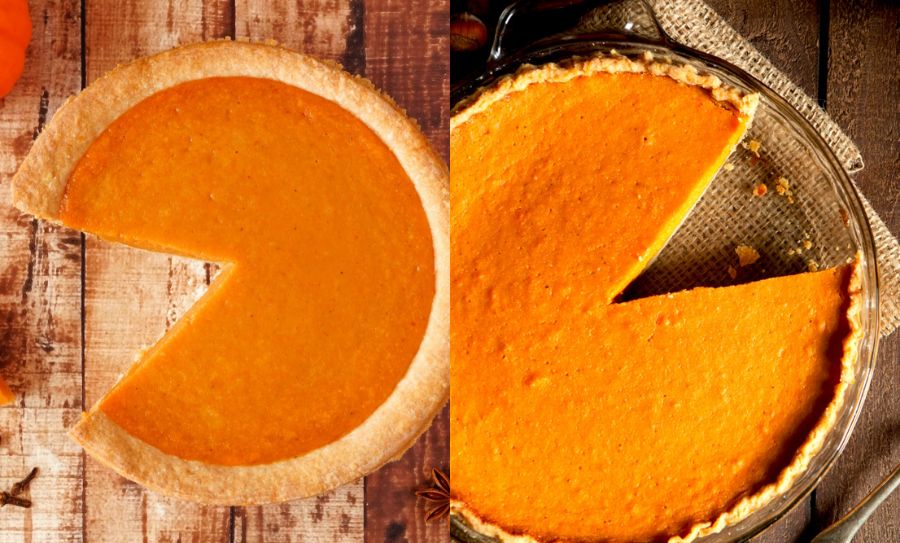
Sweet Potato vs. Pumpkin Pie: Your Guide to the Ultimate Autumn Dessert
As the leaves begin to turn vibrant shades of crimson and gold, and the crisp scent of autumn fills the air, a familiar dilemma arises in kitchens across the country: which classic fall dessert will grace your holiday table? While both sweet potato pie and pumpkin pie hold revered positions in the pantheon of seasonal treats, they offer distinct experiences. This article delves into the nuances of each, shining a particular spotlight on the beloved sweet potato pie, guiding you through its irresistible charm and helping you decide which pie truly reigns supreme as the ultimate autumn dessert.
The Allure of Autumnal Delights: Sweet Potato vs. Pumpkin Pie
Picture the scene: a festive gathering, the aroma of roasting turkeys and simmering cider, and at the heart of the dessert spread, two golden-hued pies. Both sweet potato and pumpkin pies evoke a sense of warmth, comfort, and tradition, making them indispensable during the cooler months and especially during the holiday season. Yet, despite their similar appearance, their flavors and textures are surprisingly different.
Sweet potato pie, a true Southern classic, boasts a naturally sweeter, often brighter flavor profile. Its filling tends to be wonderfully airy and light, almost custard-like, with a velvety smooth texture that melts in your mouth. The spices used are typically more subtle, allowing the inherent sweetness and earthy notes of the sweet potato to shine through. You’ll often find notes of vanilla, cinnamon, and nutmeg, sometimes with a whisper of ginger or allspice, complementing rather than overpowering the star ingredient.
In contrast, pumpkin pie typically offers a milder, earthier base flavor that serves as a canvas for a more robust spice blend. It's common to find a heavier hand with cinnamon, nutmeg, ginger, and cloves, giving it that characteristic "pumpkin spice" aroma. Texture-wise, pumpkin pie is generally denser, with a slightly firmer set than its sweet potato counterpart. While equally delicious, the flavor intensity is often driven by the spices rather than the gourd itself.
Choosing between them often comes down to personal preference for sweetness, spice, and texture. Do you prefer a dessert where the primary ingredient sings, or one where warming spices take center stage? For many, the naturally creamy and subtly spiced nature of a well-made sweet potato pie makes it an unrivaled choice for a truly comforting autumn indulgence.
Decoding the Perfect Sweet Potato Pie: Ingredients and Craft
Creating the "best sweet potato pie you've ever had" isn't just a dream; it's an achievable reality with the right ingredients and a little know-how. The secret lies in a harmonious blend of simple, high-quality components that transform humble sweet potatoes into a soul-satisfying delicacy. This isn't just a recipe; it's a legacy, often shared between generations, much like the beloved version passed down from a special friend in Atlanta, GA.
Essential Ingredients for an Irresistible Sweet Potato Pie:
- Fresh Sweet Potatoes: While canned sweet potatoes can work in a pinch (remember to drain them thoroughly!), fresh produce is paramount for the deepest, richest flavor and that signature silky texture. Aim for about a pound of whole sweet potatoes. Their natural sweetness and vibrant color are irreplaceable.
- Butter: Essential for any rich baked good, butter adds luxurious moisture, unparalleled flavor, and contributes to the custard's tender texture. Use unsalted butter to control the salt content.
- Granulated Sugar: Beyond sweetness, sugar plays a crucial role in maintaining the pie filling's soft, luscious consistency by locking in moisture.
- Whole Milk: As the liquid base, whole milk helps dissolve the dry ingredients, creates a cohesive filling, and imparts that desirable creamy flavor and texture. Full-fat milk ensures maximum richness.
- Eggs: The backbone of any traditional custard pie, eggs (especially the yolks) are what bind the ingredients together, giving the filling its structure and smooth set. A crucial tip for success: always allow your eggs to come to room temperature before incorporating them into the mixture. This helps them emulsify more smoothly, preventing a lumpy or curdled filling.
- Warming Spices & Vanilla: This is where the magic happens! Vanilla extract, combined with classic warming spices like cinnamon and nutmeg, creates that cozy, nostalgic flavor we all associate with sweet potato pie. For an extra layer of complexity and warmth, consider adding a touch of ground ginger or allspice. The key is balance – enough to enhance, but not overshadow, the sweet potato.
- Unbaked Pie Crust: While a homemade butter flaky pie crust is truly divine and guarantees delicious results, don't hesitate to use a quality store-bought frozen or refrigerated crust to save time, especially during busy holiday preparations. The focus should be on that incredible filling!
The beauty of a classic sweet potato pie lies in its simplicity, relying on the inherent goodness of its core ingredients. For even more in-depth guidance on achieving that perfect holiday dessert, check out our guide on How to Make the Best Sweet Potato Pie for the Holidays. And if you're chasing that elusive silky texture, our article on Southern Sweet Potato Pie: Secrets to a Silky Smooth Filling holds the keys to achieving a filling that practically melts in your mouth.
Beyond the Bake: Storing, Serving, and Savvy Tips
A well-made sweet potato pie is a marvel of culinary engineering, and its appeal extends beyond its delicious taste. Its versatility in preparation and storage makes it an ideal dessert for the busy holiday season.
Making Ahead for Holiday Convenience:
One of the greatest advantages of sweet potato pie is its ability to be made ahead of time. This is a game-changer for holiday hosts looking to conserve precious oven space and minimize stress on the big day. You can prepare the pie a day or two in advance, allowing you to focus on other dishes without compromising on freshness or flavor.
Storing Your Sweet Potato Pie:
Once baked, sweet potato pie should be stored in the refrigerator. Cover it tightly with plastic wrap or aluminum foil to prevent it from drying out or absorbing other odors from your fridge. Properly stored, it will remain fresh and delicious for three to four days. This makes it perfect for enjoying leftovers!
Freezing for Future Enjoyment:
Yes, you can freeze sweet potato pie! For best results, allow the pie to cool completely after baking. Then, wrap it tightly in several layers of plastic wrap, followed by a layer of aluminum foil. This double-layer protection helps prevent freezer burn. It can be frozen for up to one to two months. When ready to serve, thaw it overnight in the refrigerator and then gently rewarm in a low oven if desired.
Serving Suggestions:
While delicious straight from the fridge, sweet potato pie truly shines when served warm or at room temperature. A gentle warming in the oven (around 300°F/150°C for 10-15 minutes) enhances its aromatic spices and softens the filling to perfection. Pair it with a generous dollop of freshly whipped cream, a scoop of vanilla bean ice cream, or even a sprinkle of toasted pecans for an added layer of texture and flavor. The smooth, velvety filling makes it a delightful treat all on its own, but these simple additions elevate it to an extraordinary dessert experience.
Savvy Tips for Pie Perfection:
- Don't Overbake: Sweet potato pie is a custard pie, and overbaking can lead to a dry, cracked filling. The pie is done when the edges are set, but the center still has a slight jiggle. It will continue to set as it cools.
- Prevent Cracks: To help prevent cracks, allow your pie to cool slowly at room temperature, away from drafts. Avoid putting it directly into the fridge when it's still hot.
- Taste and Adjust: Always taste your sweet potato puree before adding it to the crust. Depending on the natural sweetness of your potatoes, you might want to slightly adjust the sugar or spice levels.
- Crust Protection: If your pie crust edges start to brown too quickly, gently cover them with aluminum foil during the last part of baking.
The humble sweet potato pie, with its buttery smooth, silky texture and comforting spices, transcends mere dessert status. It’s a taste of home, a celebration of heritage, and a guaranteed crowd-pleaser that embodies the very essence of the holiday spirit.
Conclusion
While both sweet potato and pumpkin pies rightfully claim their place as autumnal dessert champions, the inherent natural sweetness, airy texture, and subtle spice profile of a perfectly crafted sweet potato pie often position it as the ultimate choice for many. From its foundational ingredients to its versatile preparation and storage, sweet potato pie offers a deep, satisfying experience that is both sophisticated and wonderfully comforting. Whether you're a seasoned baker or trying your hand at this beloved classic for the first time, embracing the art of sweet potato pie promises a reward that will leave everyone at your table reaching for seconds and cherishing the taste of the season.
